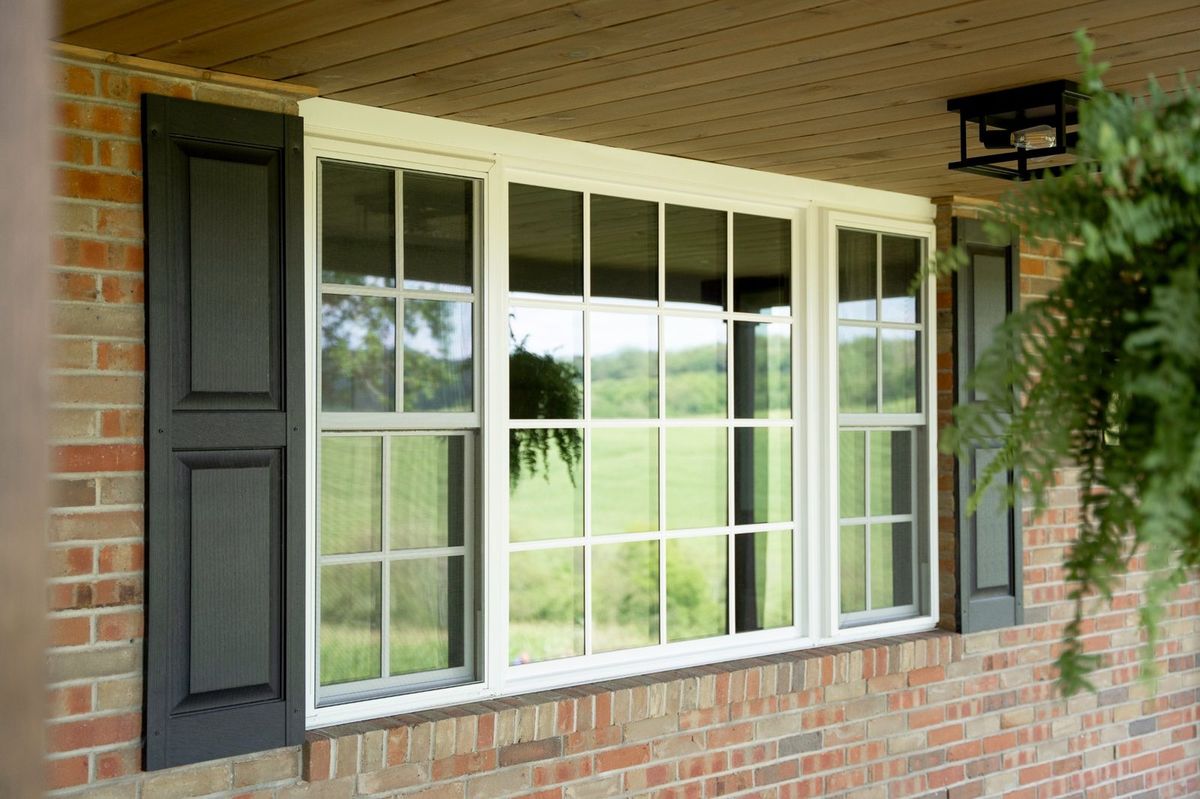
Most homeowners feel some anxiety the day before a window installation—not because they expect anything to go wrong, but because it’s unfamiliar territory. What time will they arrive? How disruptive is it really? Will my house be cold all day? What do I need to do to prepare?
We’ve been answering these questions since 1946. Here’s exactly what happens when our crew arrives at your home for a window replacement.
The Week Before: What You Can Do
You don’t need to do much, but a few things make the day go faster and leave less chance of anything getting damaged.
- Clear the window area on both sides. Move furniture at least 3–4 feet from each window being replaced. If there’s anything sitting on window sills—plants, decorations, blinds you’re keeping—move it to another room.
- Take down existing window treatments. Remove any blinds, shades, or curtains from windows being replaced. If we’re also installing new treatments, we’ll handle that as a separate step after the windows are in.
- Note anything unusual about the windows. If you know a particular window has a stuck latch, rotten sill, or unusual trim situation, flag it for us when we arrive. We’d rather know up front than discover it mid-installation.
- Plan for pets. Our crew will be moving in and out through your doors and occasionally opening wall openings. Dogs especially should be secured in a room away from the work.
No need to leave: You don’t need to vacate your home. Most homeowners go about their normal day—working from home, watching TV, or whatever they usually do. The installation is minimally disruptive once we’re set up and moving.
Arrival: What Our Crew Does First
We arrive within the window we gave you at booking—typically an early morning start. The first thing our crew does is introduce themselves, do a walkthrough with you to confirm which windows we’re replacing, and ask if anything has changed since the measurement visit.
Then we set up: drop cloths on floors, protective covers on any furniture we can’t move, and a designated path in and out for carrying materials. We bring everything needed for your specific job—the windows themselves (already custom-built for your openings), trim materials, foam insulation, caulk, and hardware. We don’t make mid-job supply runs.
The Installation Sequence
- 1
Remove the existing window
We remove interior trim carefully (we reuse or replace it, depending on condition), extract the old window sash and frame, and assess the rough opening. This is where we’ll identify any rot, water damage, or shimming issues that weren’t visible before removal.
- 2
Prepare the opening
We clean the rough opening, check it for square and level, and address any issues found. If there’s minor rot at the sill, we treat and reinforce it before proceeding. If there’s significant structural damage, we’ll discuss it with you before continuing.
- 3
Set and level the new window
The new ProVia window goes into the opening, is shimmed to perfect level and plumb, and checked for smooth operation before anything is fastened permanently. We test every sash at this stage.
- 4
Fasten, flash, and insulate
The window is secured to the framing, exterior flashing tape is applied around the perimeter, and low-expansion foam insulation fills the gap between the window frame and rough opening. This step is where most of the energy efficiency comes from—air sealing is as important as the glass itself.
- 5
Trim and caulk
Interior trim is reinstalled or replaced, painted caulk seals the interior perimeter, and exterior caulk seals the outside. The window now looks finished from both sides.
- 6
Clean up and demo
We collect all debris, vacuum the work area, and remove drop cloths. Then we demonstrate the window—how to operate both sashes, how to tilt them in for cleaning, and how the locks function. We don’t leave until you’ve operated it yourself and are comfortable.
How Long Does It Actually Take?
Each window takes roughly 45–75 minutes from removal to finished trim, depending on the window type and what we find in the opening. A double-hung on a standard wall is faster. A bay window or a window with significant rot discovered mid-job takes longer.
For a typical full-house replacement of 10–14 windows, expect our crew to be on-site for one full day—usually 7:30 AM to 4:30 PM. We work efficiently and don’t take extended breaks, but we also don’t rush in ways that compromise quality.
Will my house be cold? Briefly, yes—for the few minutes each rough opening is exposed while we transition from old window to new. We work one window at a time and the opening is only fully exposed during that transition. On cold days we work as quickly as possible through that step.
What Happens If Something Unexpected Comes Up?
It occasionally does. Hidden rot at a sill. A rough opening that’s significantly out of square. A window that wasn’t measured correctly in the original visit. Here’s how we handle it:
We stop, show you what we found, explain your options, and give you a cost estimate for any additional work before we proceed. We don’t fix things without asking first, and we don’t present surprise charges at the end. If we discover the window itself was ordered incorrectly, we make it right—the delay is on us, not you.
After We Leave: The First 24 Hours
Exterior caulk needs about 24 hours to fully cure—avoid washing the exterior of your windows during that period. Interior caulk cures faster and won’t be an issue. You can hang new window treatments immediately if you’d like.
Do a quick check of each window before our crew leaves: open and close each sash, test the tilt function, check that locks engage cleanly, and look at the trim from both sides. If anything looks off, say so immediately—it’s much easier to address before we pack up than to schedule a return visit.
Curious how much your new windows could save on energy bills? Read our breakdown of how much new windows actually save NJ homeowners.
Ready to Schedule Your Window Replacement?
We offer free in-home consultations throughout South Jersey. We’ll measure, show you ProVia options, and give you a clear written quote with no pressure and no surprises.